Automated visual inspectionfor pharma and medical packaging.
Review where automated visual inspection can support labeling, packaging integrity, code checks, fill-level visibility, and structured review workflows in quality-sensitive production environments.
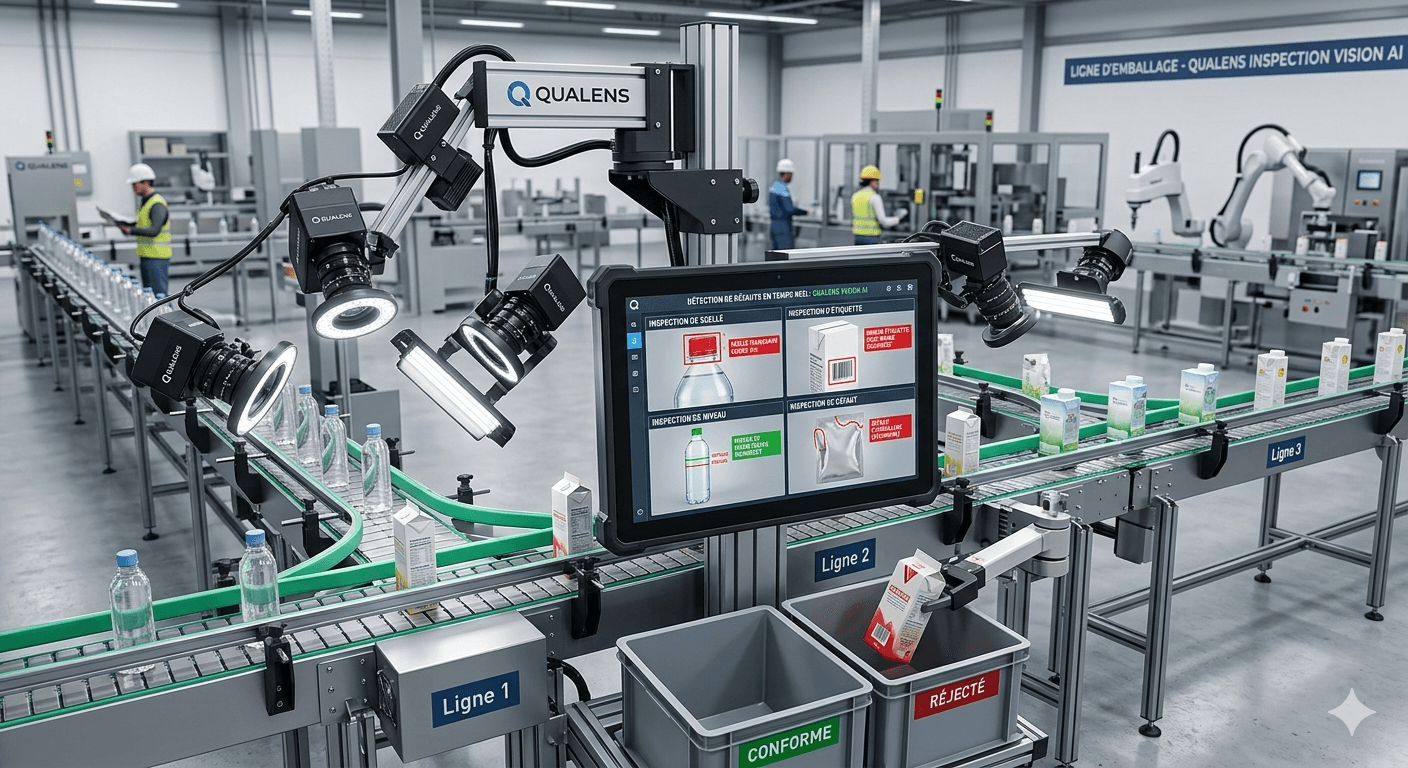
Review emphasis
Label, code, integrity, and fill-level visibility under controlled review
Common inspection scope
Pharma inspection tasks need to be described precisely
Automated visual inspection for pharma works best when the target check is clear, the line context is understood, and the workflow for review or action is defined early.
Label verification
Check presence, placement, readability conditions, or visible conformity issues where label accuracy matters to packaging review.
Code and print checks
Review visible print zones, code placement, and packaging presentation where traceability and packaging sensitivity are important.
Fill-level inspection
Support visible fill-level checks where liquid presentation or container fill conditions matter to the inspection workflow.
Packaging integrity and closure checks
Review seal presentation, closure placement, visible packaging integrity, and incomplete pack conditions in packaging-sensitive environments.
Presence and completeness verification
Confirm expected packaging elements, inserts, blister contents, or assembly completeness before units move forward.
Review workflow support
Route uncertain visual cases to the right review process instead of relying only on fully manual inspection across the entire flow.
Why the context is sensitive
The use case matters more than broad claims
Quality sensitivity is high
Pharma inspection use cases usually demand careful language and careful scope because packaging, labeling, and visible integrity issues can carry significant quality impact.
Traceability matters
Inspection output is often more valuable when it is tied to clear defect categories, review states, and product or line context.
Feasibility depends on the exact check
Not every pharma use case is equally straightforward. Fit depends on the target defect, line setup, imaging conditions, and what teams need the output to do.
Workflow fit matters as much as image quality
The inspection system has to support the actual production and quality process, including what happens when results are uncertain or need review.
Feasibility review
Pharma inspection feasibility should be assessed carefully
Traditional limitations
Manual checks and rigid logic still create review friction
Operational value
Better inspection improves consistency and review clarity
Related pages
Navigate the cluster and adjacent inspection pages
Automated Visual Inspection
Go back to the broader authority page for the full cluster and general inspection concepts.
Automated Visual Inspection Systems
Review the system-level view of cameras, software, decision logic, and workflow integration.
Packaging Inspection with Computer Vision
Useful for adjacent packaging-line topics including labels, seals, fill levels, and packaging conformity.
Discuss Your Inspection Challenge
Use the intake page to share packaging context, defect categories, and feasibility questions directly.
FAQ
Practical questions about automated visual inspection for pharma
Can automated visual inspection work for pharma packaging?
Often yes, but the fit depends on the exact visual check, the line conditions, the packaging variation, and what the production or quality workflow needs from the inspection output.
What types of checks are common in pharma environments?
Common examples include label verification, code or print checks, visible fill-level inspection, packaging integrity review, closure presentation, and presence or completeness checks.
Does this replace all manual inspection?
Usually no. In many pharma contexts, the goal is to automate repetitive visual checks, improve consistency, and route the right cases into a structured review workflow.
Can existing cameras be used?
Sometimes yes. Existing cameras can be reviewed first, although some use cases need more suitable placement, optics, or lighting to support reliable automated inspection.
Is automated visual inspection for pharma always easy to deploy?
No. Some checks are more straightforward than others. That is why feasibility should be assessed carefully against the exact defect type, packaging condition, and production environment.
Should a pharma inspection project start with a pilot?
Yes. A focused pilot is usually the safest way to test operational fit, visual feasibility, and review workflow before considering broader deployment.
Need to review a pharma or medical packaging inspection use case?
Share the packaging context, target checks, line conditions, and review constraints so we can assess whether a focused automated visual inspection pilot is realistic.